Why You Should See A Chiropractor for Headaches & Migraines
If you’ve ever been stopped in your tracks by a pounding headache or a migraine that sent you to a dark, quiet room for hours — you know how debilitating they can be. For many people in Goose Creek, SC, headaches aren’t an occasional nuisance. They’re a recurring pattern that disrupts work, family time, and quality of life. What’s frustrating is that most people reach for over-the-counter pain relievers and hope for the best, never stopping to ask why the headaches keep coming back. At Kirar Superior Healthcare, we believe in getting to the root of the problem, not just managing symptoms. Headaches and migraines are often connected to tension in the neck, misalignments in the spine, and muscle imbalances that chiropractic care is uniquely positioned to address.
What is a chiropractic approach to headaches and migraines?
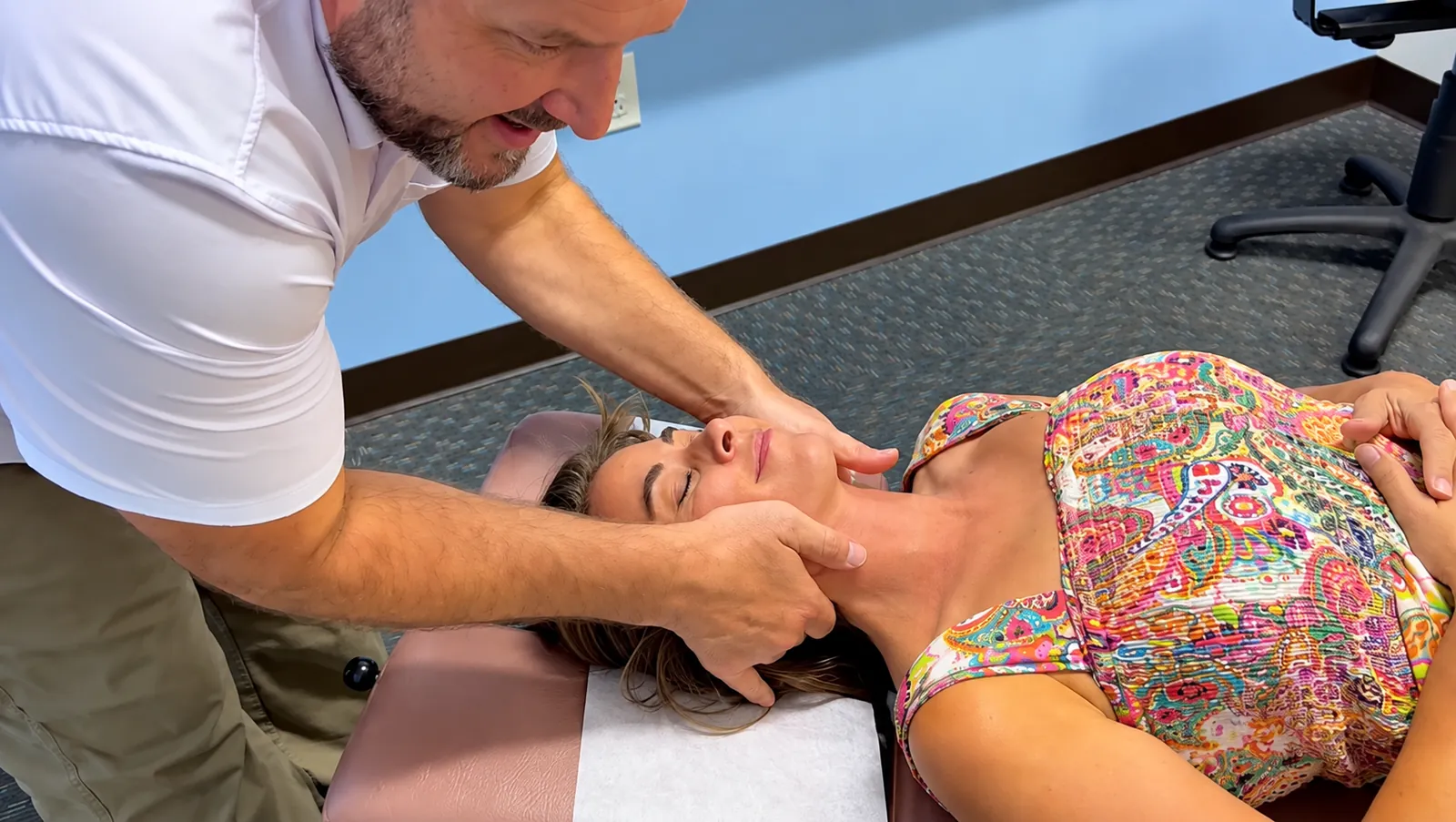
Chiropractic care for headaches focuses on identifying and correcting structural issues in the cervical spine (neck) and upper back that may be contributing to head pain. By addressing spinal misalignments, muscle tension, and nerve irritation, chiropractic adjustments aim to reduce the frequency and intensity of headaches without relying solely on medication.
-
The Neck-Headache Connection: Why Your Cervical Spine Matters
-
How Lower Back Pain and Poor Posture Contribute to Headaches
Understanding Headache Types and What Triggers Them
Not all headaches are created equal, and understanding what kind you’re dealing with is the first step toward finding real relief. The most common types our team at Kirar Superior Healthcare sees in patients around Goose Creek are tension headaches, cervicogenic headaches, and migraines. Each has its own characteristics, but they often share overlapping triggers — many of which are musculoskeletal in nature.
Tension headaches are the most prevalent type. They typically feel like a tight band or pressure wrapping around the forehead and temples. They’re often triggered by stress, poor posture, prolonged screen time, and muscle tightness in the neck and shoulders. Cervicogenic headaches are a bit different; these originate directly from the cervical spine and are referred upward into the head. If you notice your headaches tend to start at the base of your skull and radiate forward, this type may be what you’re experiencing.
Migraines are more complex neurological events that involve throbbing pain, often on one side of the head, and can come with nausea, light sensitivity, and visual disturbances. While migraines have a genetic component, research suggests that spinal dysfunction and nerve irritation can serve as triggers. Identifying those triggers and reducing structural stress on the nervous system is a central goal of chiropractic care, and it’s a core part of the 100 Year Lifestyle philosophy, which encourages people to build health habits that sustain them for a lifetime, not just treat pain when it flares up.
The Neck-Headache Connection: Why Your Cervical Spine Matters
Your cervical spine — the seven vertebrae that make up your neck — is one of the most mobile and vulnerable regions of your entire spine. It supports the weight of your head (roughly 10 to 12 pounds), houses a dense network of nerves, and is intimately connected to the muscles and fascia that run up into your skull. When something goes wrong in this region, headaches are a very common result.
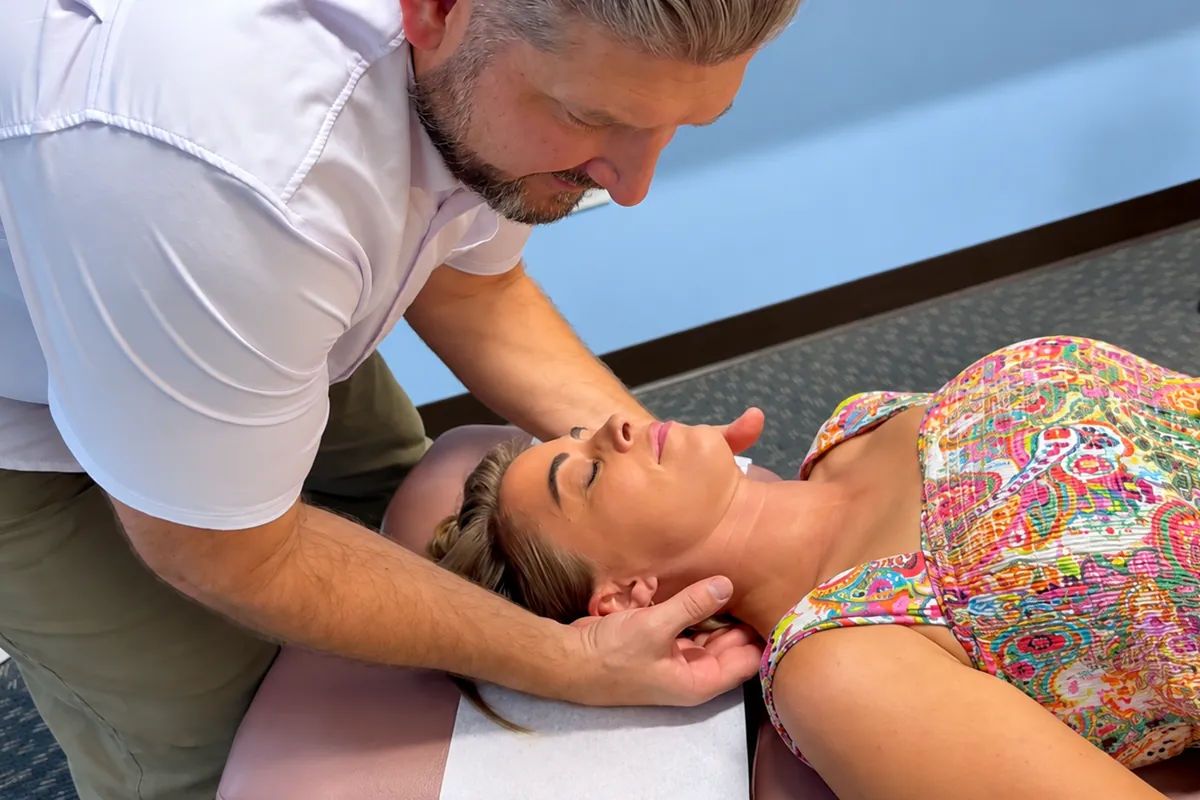
Spinal misalignments in the neck, often called subluxations, can create irritation along the nerve pathways that travel into the head and face. This irritation doesn’t just cause local neck pain; it can manifest as referred head pain, tension across the scalp, and even migraine-like episodes. At Kirar Superior Healthcare, our chiropractors evaluate the cervical spine carefully during every initial assessment, looking for these misalignments and how they may be contributing to a patient’s headache pattern.
Neck pain and headaches are tightly intertwined conditions, which is why our approach addresses both simultaneously. Many patients come in primarily complaining of headaches and are surprised to discover significant stiffness or restriction in their upper cervical vertebrae that they had normalized over time. The body is remarkably adaptive, but that adaptation has a ceiling. Living in a state of chronic tension in the neck isn’t sustainable, and chiropractic care helps restore proper alignment and mobility so the body can function as it was designed to.
The 100 Year Lifestyle principle of function over time is especially relevant here. Your goal shouldn’t just be to feel better this week, but to maintain the kind of spinal health that allows you to live actively, clearly, and energetically for decades to come. Addressing cervical dysfunction early is one of the smartest investments you can make in your long-term health.
How Lower Back Pain and Poor Posture Contribute to Headaches
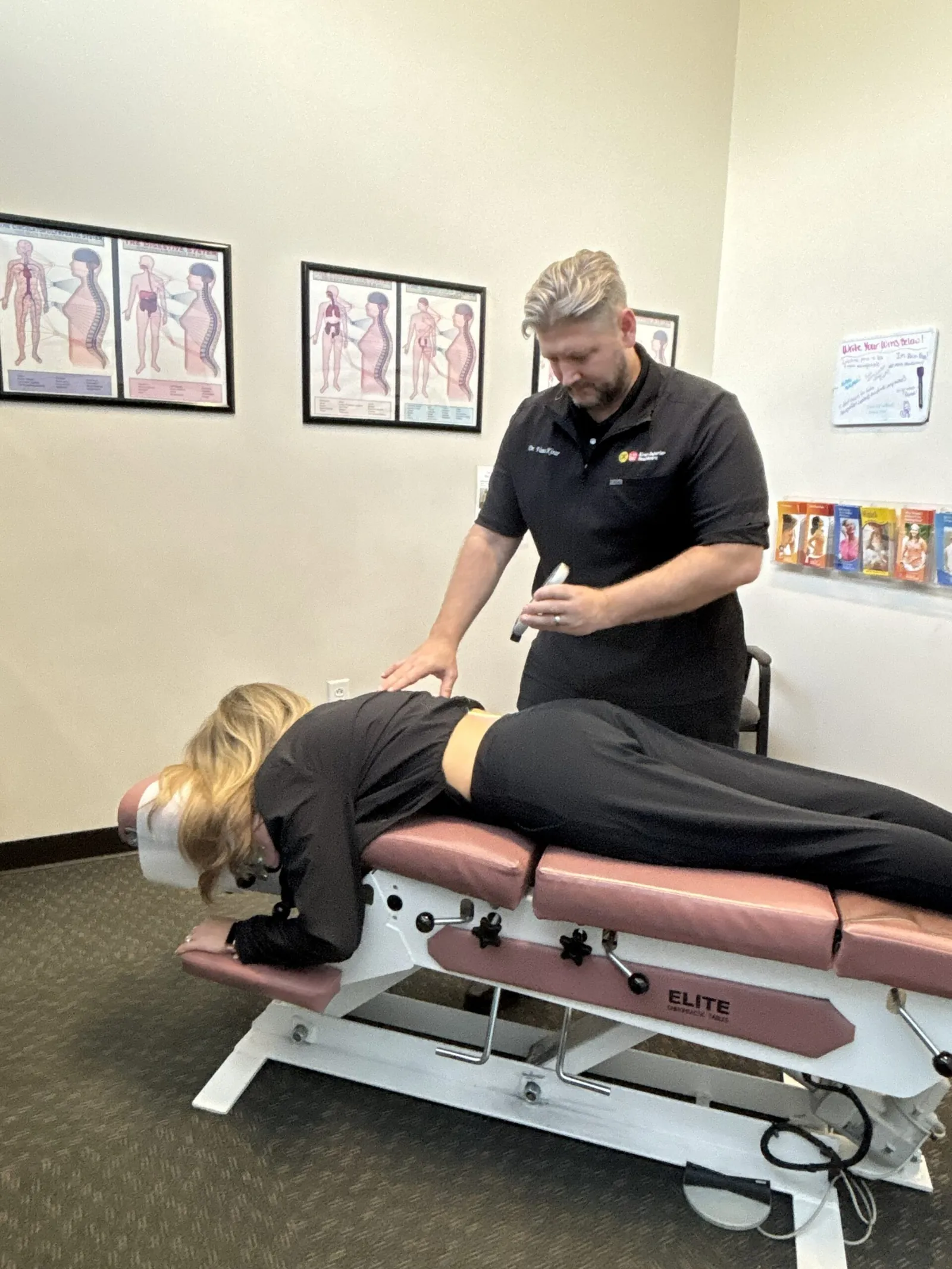
This might surprise you: lower back pain and headaches are more connected than most people realize. The spine is one continuous structure, and when one region is compromised, it affects the entire column. Poor posture — whether from sitting at a desk all day, hunching over a phone, or compensating for lower back discomfort — creates a chain reaction that travels upward through the thoracic spine and into the neck.
Here in Goose Creek, we see a lot of patients who come in for lower back pain and mention almost as an afterthought that they also get frequent headaches. In many cases, these two complaints share a common root: a postural pattern that has shifted the spine out of its ideal alignment. When the lower back loses its natural lumbar curve, the upper back rounds forward, and the head juts forward to compensate. This “forward head posture” dramatically increases the mechanical load on the cervical spine and the surrounding muscles, and it’s one of the most common triggers for chronic headaches.
For every inch your head moves forward from its natural position, the effective weight it places on your neck roughly doubles. That means a head that was designed to feel like 12 pounds to your cervical spine can start feeling like 30 or 40 pounds. That kind of sustained mechanical stress doesn’t stay quiet. It shows up as neck stiffness, shoulder tension, and yes, persistent headaches.
This is why the chiropractors at Kirar Superior Healthcare don’t look at the spine in isolated sections. Addressing lower back pain, improving thoracic mobility, and correcting forward head posture are all part of a comprehensive strategy to reduce headache frequency. When the full spinal column is in better alignment, the nervous system functions more efficiently, and patients often notice improvement in multiple symptoms at once.
How Chiropractic Care at Kirar Superior Healthcare Can Help
Chiropractic care is one of the most well-established conservative, non-invasive approaches for managing headaches — particularly tension-type and cervicogenic headaches. Evidence from organizations like the American Chiropractic Association and research published in respected journals indicates that spinal manipulation can be effective in reducing the frequency and intensity of certain headache types. Our team at Kirar Superior Healthcare applies this evidence to individualized care plans that meet each patient where they are.
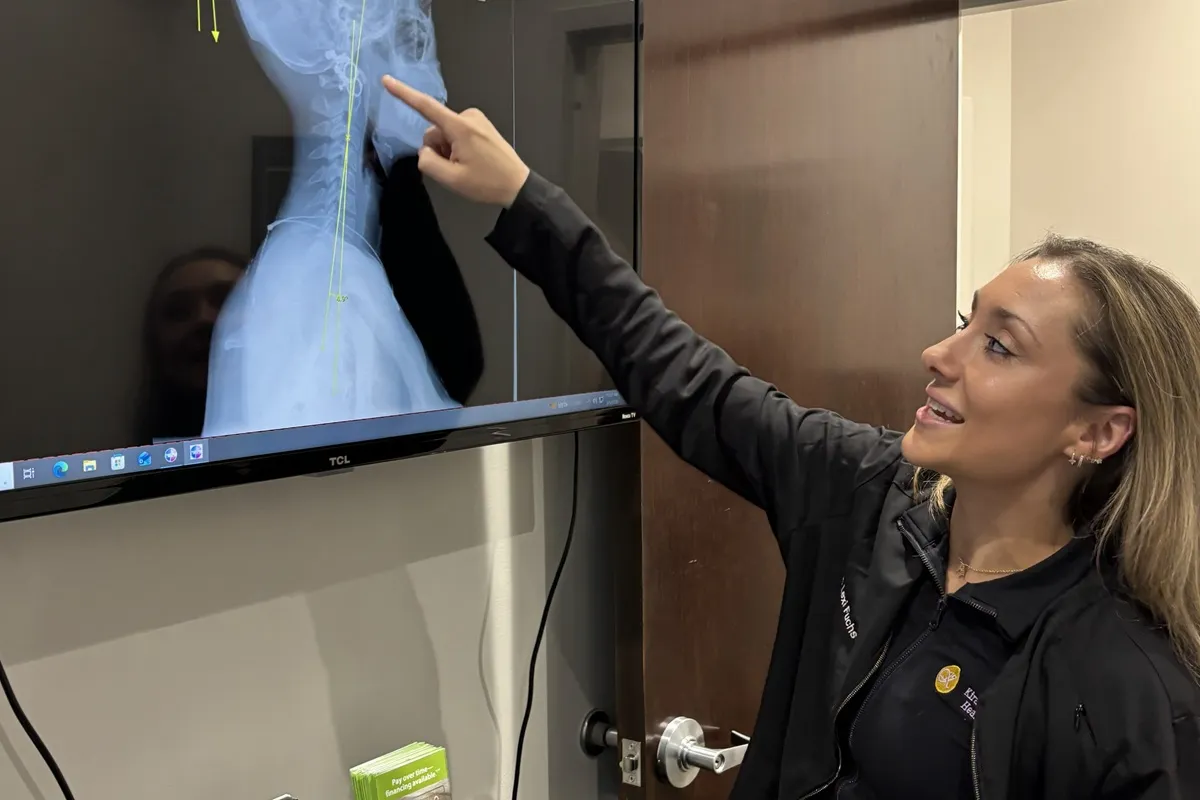
When you come in for your first visit, Dr. Vance Kirar and the team will conduct a thorough evaluation that includes a detailed health history, postural assessment, and orthopedic testing. We will take X-rays on the first visit if needed, giving us an accurate picture of your spinal alignment so we can develop a care plan that’s based on your actual anatomy, not guesswork. This level of precision matters, especially when it comes to cervicogenic headaches where the root cause is structural.
Chiropractic adjustments to the cervical and upper thoracic spine are central to care for headache patients. These targeted, controlled movements help restore proper joint motion, reduce nerve irritation, and relieve the muscular tension that so often feeds into headache patterns. Over a series of visits, many patients report a gradual but meaningful reduction in headache frequency, duration, and severity.
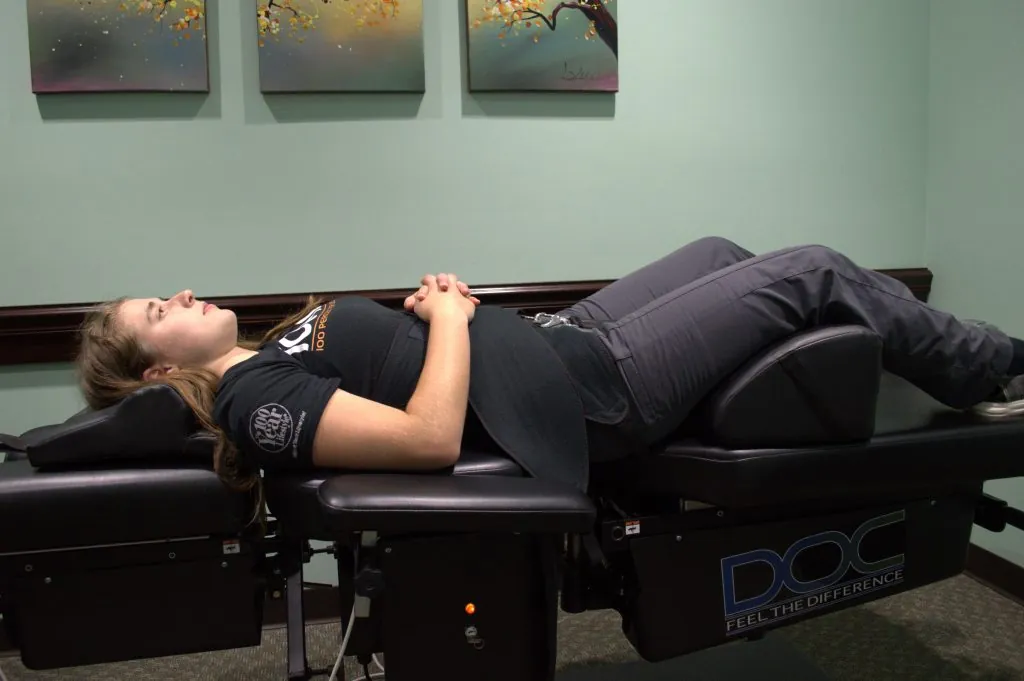
Beyond adjustments, our approach also incorporates soft tissue therapy, posture correction guidance, and lifestyle recommendations that align with the 100 Year Lifestyle framework. The goal isn’t just to get you out of pain today; it’s to help you build the kind of structural and neurological health that supports an active, vibrant life for years ahead. That’s a very different approach than simply chasing symptoms with medication, and it’s one that resonates deeply with patients who are ready to invest in their health on a longer timeline.
Practical Tips to Reduce Headache Frequency
While chiropractic care addresses the structural contributors to headaches, there are meaningful steps you can take at home to support your recovery and reduce the likelihood of headaches returning. These aren’t complicated changes; they’re sustainable habits that align with how your body is designed to function.
Ergonomics matter more than most people think. If you work at a desk, make sure your monitor is at eye level so your head isn’t constantly tilting downward. Your keyboard and mouse should be positioned so your elbows are at roughly 90 degrees. Small adjustments to your workspace can meaningfully reduce the strain on your neck and upper back over the course of a long workday.
Hydration is another underappreciated factor. Dehydration is a well-known headache trigger, and it’s easy to go hours without adequate water when you’re busy. Aim to drink water consistently throughout the day rather than playing catch-up. Similarly, irregular meal timing and blood sugar fluctuations can contribute to headache onset — eating balanced meals at consistent times helps keep this variable in check.
Sleep position also plays a role. Sleeping on your stomach forces your neck into a rotated position for hours at a time, which can irritate cervical joints and set the stage for morning headaches. Side or back sleeping with an appropriately supportive pillow is generally better for cervical spine health. The chiropractors at Kirar Superior Healthcare can offer personalized guidance on pillow height and sleeping posture during your visits.
Gentle movement throughout the day — especially if you sit for long periods — helps prevent the buildup of cervical and upper back tension that feeds into headaches. Taking a brief walk, doing a few gentle neck stretches, or simply standing and resetting your posture every hour can make a real difference over time. These are the kinds of consistent, low-effort habits that the 100 Year Lifestyle encourages: not heroic one-time efforts, but small, repeatable choices that compound into lasting health.
When to See a Chiropractor for Headaches
If your headaches are recurring — meaning you’re dealing with them more than a couple of times per month — that’s a strong signal that something structural or neurological is worth evaluating. Headaches that follow a pattern (always starting in the same location, always triggered by the same activity, always accompanied by neck stiffness) are particularly worth investigating through a chiropractic lens.
You don’t need to be in crisis to see a chiropractor. In fact, the earlier you address spinal dysfunction and postural imbalances, the more effectively you can interrupt the cycle before it becomes deeply ingrained. Many patients in Goose Creek wish they had come in sooner rather than waiting years for the problem to worsen.
However, there are certain headache presentations that warrant urgent medical attention and go beyond chiropractic scope. If you experience a sudden, severe “thunderclap” headache that appears out of nowhere and reaches maximum intensity almost immediately, seek emergency care right away. Other red flags include headaches accompanied by fever and stiff neck, neurological symptoms like sudden vision changes or weakness on one side of the body, or headaches that follow a head injury. These situations require prompt evaluation by a medical physician. The chiropractors at Kirar Superior Healthcare are committed to your overall wellbeing, and part of that commitment is knowing when to refer you to another provider.
Headache Types vs. Common Triggers at a Glance
Headache Type |
Common Location |
Typical Triggers |
Chiropractic Relevance |
|---|---|---|---|
|
Tension Headache |
Forehead, temples, band-like pressure |
Stress, poor posture, screen time, muscle tightness |
High — often responds well to cervical and thoracic adjustments |
|
Cervicogenic Headache |
Base of skull, radiating forward |
Cervical misalignment, joint restriction, whiplash history |
Very high — originates from the cervical spine directly |
|
Migraine |
One side of head, throbbing |
Hormonal shifts, sensory stimuli, nerve irritation, spinal dysfunction |
Moderate — chiropractic may reduce frequency and severity as part of broader care |
|
Sinus Headache |
Behind forehead and cheeks |
Congestion, infection, allergies |
Lower — primarily medical in origin, though posture may aggravate |
Myths vs. Facts About Chiropractic Care and Headaches
Myth: Chiropractic care is only for back pain, not headaches.
Fact: While chiropractic is widely associated with back pain, it has a well-established role in addressing headaches, particularly cervicogenic and tension-type headaches. The cervical spine is directly involved in many headache patterns, and spinal adjustments targeting this region are a recognized conservative treatment approach supported by evidence from respected healthcare organizations.
Myth: If I take pain medication, I don’t need chiropractic care for my headaches.
Fact: Pain medication can provide short-term relief, but it doesn’t address the underlying structural causes of recurring headaches. Over time, frequent use of over-the-counter pain relievers can even contribute to “medication overuse headache,” a condition where the medication itself becomes a trigger. Chiropractic care focuses on correcting the source of the problem, not masking the pain.
Myth: Chiropractic neck adjustments are dangerous.
Fact: Cervical adjustments performed by a licensed chiropractor are considered safe for the vast majority of patients. Chiropractors are extensively trained in spinal assessment and manipulation technique. Serious adverse events are extremely rare, and your chiropractor will evaluate your health history and take X-rays on the first visit if needed to ensure the approach is appropriate for your specific situation.
Myth: You only need to see a chiropractor once or twice to fix headaches.
Fact: While some patients notice improvement quickly, most meaningful and lasting changes to spinal alignment and muscle patterns take consistent care over a period of weeks. The 100 Year Lifestyle model recognizes that long-term health is built through sustained effort, not quick fixes. Your care plan at Kirar Superior Healthcare is designed to produce durable results, not just temporary relief.
Myth: Migraines can’t be helped by chiropractic care.
Fact: While chiropractic care is not a cure for migraines, research suggests it may help reduce the frequency and intensity of migraine episodes in some patients, specifically when spinal dysfunction or muscle tension is a contributing trigger. It is best viewed as one valuable component of a comprehensive migraine management strategy.
Final Thoughts from Kirar Superior Healthcare
Headaches are common, but they are not something you have to simply accept as part of life. For many people in Goose Creek, SC, recurring headaches are a sign that the spine and nervous system need attention. The good news is that there are effective, drug-free options available, and chiropractic care is one of the most practical and accessible of those options.
At Kirar Superior Healthcare, Dr. Vance Kirar and the team are committed to understanding your full health picture, not just the symptom you walked in with. Whether your headaches are tied to neck tension, lower back compensation, poor posture, or a combination of factors, we’re here to help you find real answers and build a care strategy that makes sense for your life and your long-term goals.
The 100 Year Lifestyle isn’t about obsessing over every ache. It’s about building a foundation of spinal and neurological health that supports you through every decade so that headaches don’t define your days, and you don’t reach your 60s, 70s, or 80s looking back wishing you had done things differently. That kind of proactive, purposeful approach to health is what we strive to offer every patient who walks through our doors.
If recurring headaches have been holding you back, reach out to our team at Kirar Superior Healthcare serving Goose Creek, SC. We’d be honored to be part of your journey toward a healthier, fuller life.
Frequently Asked Questions
Can a chiropractor really help with migraines?
Research suggests that chiropractic care may help reduce the frequency and severity of migraines in some patients, particularly when spinal dysfunction is a contributing factor. It’s best viewed as a complementary, non-invasive approach within a broader migraine management plan — not a standalone cure.
How many chiropractic visits will it take to help my headaches?
The number of visits varies depending on the type, duration, and underlying cause of your headaches. Some patients notice improvement within a few visits, while others benefit from a more extended care plan. Your chiropractor at Kirar Superior Healthcare will provide a personalized recommendation based on your assessment findings.
What happens at my first visit for headaches at Kirar Superior Healthcare?
Your first visit includes a thorough health history review, postural and orthopedic evaluation, and a discussion of your headache patterns and triggers. We will take X-rays on the first visit if needed to get a precise look at your spinal alignment and guide a care plan tailored to your specific needs.
Is there a connection between neck pain and headaches?
Absolutely. Cervicogenic headaches originate directly from the cervical spine and are one of the most common types of headache treated in chiropractic practice. Even general neck tension and muscle tightness in the upper back can refer pain upward into the head, making neck care central to headache relief.
Can poor posture actually cause headaches?
Yes, and it’s more common than most people realize. Forward head posture, which often develops from prolonged desk work or phone use, dramatically increases mechanical stress on the cervical spine and surrounding muscles. This sustained tension is a well-recognized contributor to tension-type and cervicogenic headaches.
Do I need a referral to see a chiropractor for headaches?
In most cases, no referral is needed to schedule a chiropractic appointment. Chiropractors are primary care providers within the musculoskeletal system and can evaluate and begin care directly. If you’re unsure, feel free to contact Kirar Superior Healthcare and our team can answer any questions before your first visit.
TL;DR Summary
-
Recurring headaches — including tension headaches, cervicogenic headaches, and migraines — are often connected to spinal misalignment, neck tension, and postural problems that chiropractic care can address.
-
The cervical spine and lower back are both important factors in headache patterns; forward head posture caused by lower back compensation is a common but overlooked trigger.
-
Chiropractic adjustments at Kirar Superior Healthcare target the root structural causes of headaches rather than simply masking the pain with medication.
-
Simple lifestyle habits, such as better ergonomics, hydration, sleep posture, and regular movement, support chiropractic care and align with the long-term health principles of the 100 Year Lifestyle.
-
If headaches are recurring or worsening, it’s worth getting a professional evaluation. The sooner structural issues are addressed, the better the long-term outcome for your health and quality of life.

Dr. Vance Kirar knows that it isn’t easy navigating a healthcare challenge for yourself or a loved one. Many people find themselves in situations they aren’t prepared for, facing decisions without all the information they need. If there’s been a lifetime of bad habits based on bad information and bad care that has created more faith in drugs than the innate wisdom of the body to heal – then living and aging in today’s society can be difficult and frightening.