Why You Should See A Chiropractor for Whiplash
If you’ve recently been in a car accident — even a minor one — you may be wondering whether the stiffness in your neck, the headache that won’t quit, or the nagging ache in your lower back is something to take seriously. The answer is almost always yes. Whiplash is one of the most commonly misunderstood injuries, and here in Goose Creek, SC, the team at Kirar Superior Healthcare sees its effects on patients every week. Many people assume they’ll simply “shake it off” in a few days. But without proper evaluation and care, whiplash symptoms can linger, worsen, and quietly affect your quality of life for months — or even years.
This article is here to help you understand what whiplash really is, how it connects to neck pain, headaches, and lower back pain, and why seeing a chiropractor early can make a meaningful difference. More than just treating the immediate injury, chiropractic care through a 100 Year Lifestyle lens is about helping your body heal, function, and thrive for the long haul — not just the next few weeks.
What Is Whiplash?
Whiplash is a neck injury caused by a rapid, forceful back-and-forth movement of the head — similar to the cracking of a whip. It most commonly results from rear-end car accidents, but it can also occur during sports collisions, falls, or any sudden impact. The injury affects the soft tissues of the neck, including muscles, tendons, ligaments, and discs, and it can also send shockwaves of impact down through the upper and lower spine.
What Happens to Your Body During Whiplash
When your head is suddenly jerked forward and then snapped backward — or vice versa — the cervical spine (the seven vertebrae in your neck) is forced through a movement that far exceeds its normal range of motion. This can strain or tear the soft tissues surrounding those vertebrae, cause misalignments in the spine, and even affect the discs that cushion each vertebra.
What many people don’t realize is that the force of a whiplash injury doesn’t always stay confined to the neck. The impact can travel along the entire spine, affecting the thoracic (mid-back) and lumbar (lower back) regions as well. The nervous system, which runs through the spinal column, can also become irritated, leading to a cascade of symptoms that show up in places that seem completely unrelated to your neck.
Another important detail: symptoms often don’t appear immediately. It’s very common for neck stiffness, headaches, or lower back pain to surface 24 to 72 hours after the incident. This delay leads many people to believe they’re fine — and that’s precisely when early evaluation becomes critical. The 100 Year Lifestyle philosophy reminds us that how you respond to injury in the short term has everything to do with how your body functions decades from now. Starting care early is an investment in your long-term health.
Whiplash and Neck Pain: The Direct Connection
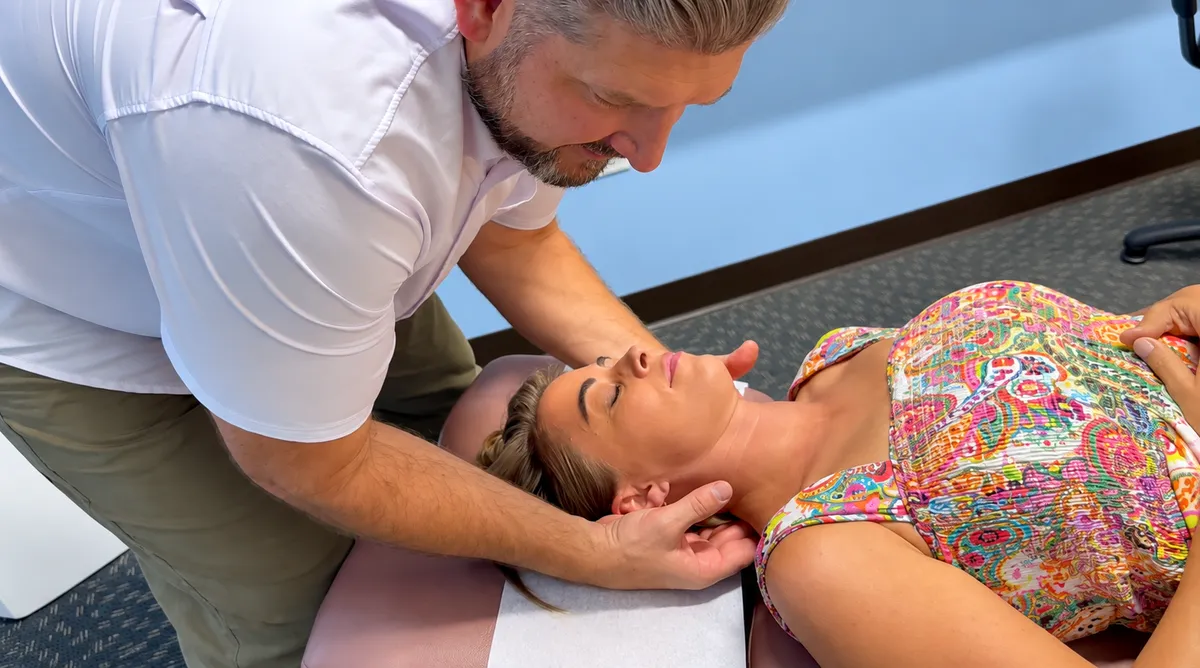
Neck pain is the hallmark symptom of whiplash. After the sudden jolt, the muscles and ligaments in the cervical spine are often strained, inflamed, and pulled out of their normal resting position. The vertebrae themselves can shift slightly out of alignment — what chiropractors call a subluxation — which further irritates the surrounding nerves and soft tissue.
Patients at Kirar Superior Healthcare in Goose Creek often describe their neck pain after a collision as a combination of stiffness, sharp pain with movement, a reduced range of motion, and sometimes a deep, achy soreness that doesn’t respond to over-the-counter medication the way they expected. In some cases, the pain radiates down into the shoulders or arms, which suggests nerve involvement.
Left untreated, these cervical misalignments can become a chronic issue. Scar tissue can develop in the damaged soft tissues, the surrounding muscles can tighten to “protect” the injured area, and over time, what started as an acute injury can evolve into a long-standing pattern of pain and dysfunction. This is exactly the kind of outcome that the 100 Year Lifestyle model is designed to prevent — moving patients beyond pain relief and toward true structural and functional restoration so they can live actively and fully for life.
Why Whiplash Causes Headaches
One of the most common — and frustrating — symptoms of whiplash is persistent headaches. These headaches often start at the base of the skull and radiate forward toward the temples or behind the eyes. They’re known as cervicogenic headaches, meaning they originate in the cervical spine and surrounding structures rather than from a primary neurological cause.
When the vertebrae in the upper neck are misaligned or the muscles at the base of the skull are in spasm, they can put pressure on the nerves and blood vessels in that region. This tension and pressure translates directly into headache pain. Many whiplash patients report that their headaches feel different from any they’ve had before — more persistent, more positional, and less responsive to typical headache remedies.
It’s also worth noting that post-concussive symptoms can accompany whiplash in more serious impacts, and headaches can be one of the overlapping signs. At Kirar Superior Healthcare, our team takes a thorough approach on the first visit, gathering a detailed history of the accident and your symptoms to ensure that any red flags are identified and appropriately addressed. We will take X-rays on the first visit if needed, which helps our chiropractors see the actual alignment of the cervical vertebrae and understand the structural picture beneath the symptoms.
Chiropractic adjustments aimed at the upper cervical spine have been shown in research to be a helpful tool for reducing the frequency and intensity of cervicogenic headaches. This is not a quick fix — it’s a process. But for many patients in Goose Creek who come to us suffering from relentless post-whiplash headaches, consistent care brings real, measurable relief.
The Overlooked Link Between Whiplash and Lower Back Pain
Here’s something that surprises many patients: whiplash can absolutely cause lower back pain, even if the accident seemed to only affect your neck. During a rear-end collision, the entire spine is involved in the impact. While the neck takes the most visible brunt of the force, the lumbar spine (lower back) is also compressed and jolted. The muscles along the entire spinal column can go into protective spasm, and any pre-existing issues in the lumbar region can be aggravated significantly.
In Goose Creek, our team at Kirar Superior Healthcare regularly evaluates patients who come in primarily for neck pain after an accident and, through a full spinal assessment, discover that their lower back is also under significant stress. Without addressing both areas, recovery is incomplete — and patients often find themselves returning weeks later with lower back complaints that could have been identified and treated from the start.
Lower back pain following whiplash can range from muscle soreness and stiffness to disc involvement, depending on the severity of the accident. The lumbar discs, which act as shock absorbers between the vertebrae, can bulge or become irritated from the compression forces of an impact. This type of disc involvement may contribute to pain that radiates down through the hips, buttocks, or legs. If you’re experiencing any of these symptoms after a collision, it’s a strong signal that a full spinal evaluation — not just a cursory look at your neck — is warranted.
How Chiropractic Care Fits Into Whiplash Recovery
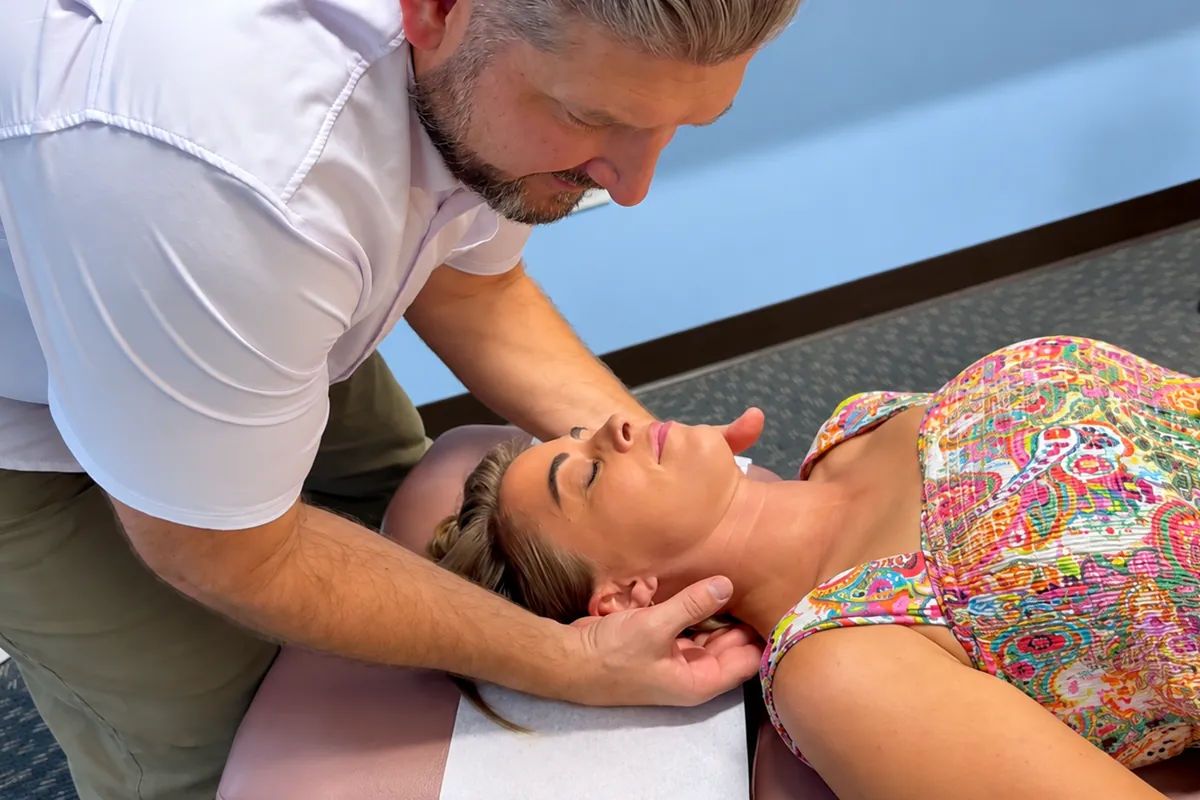
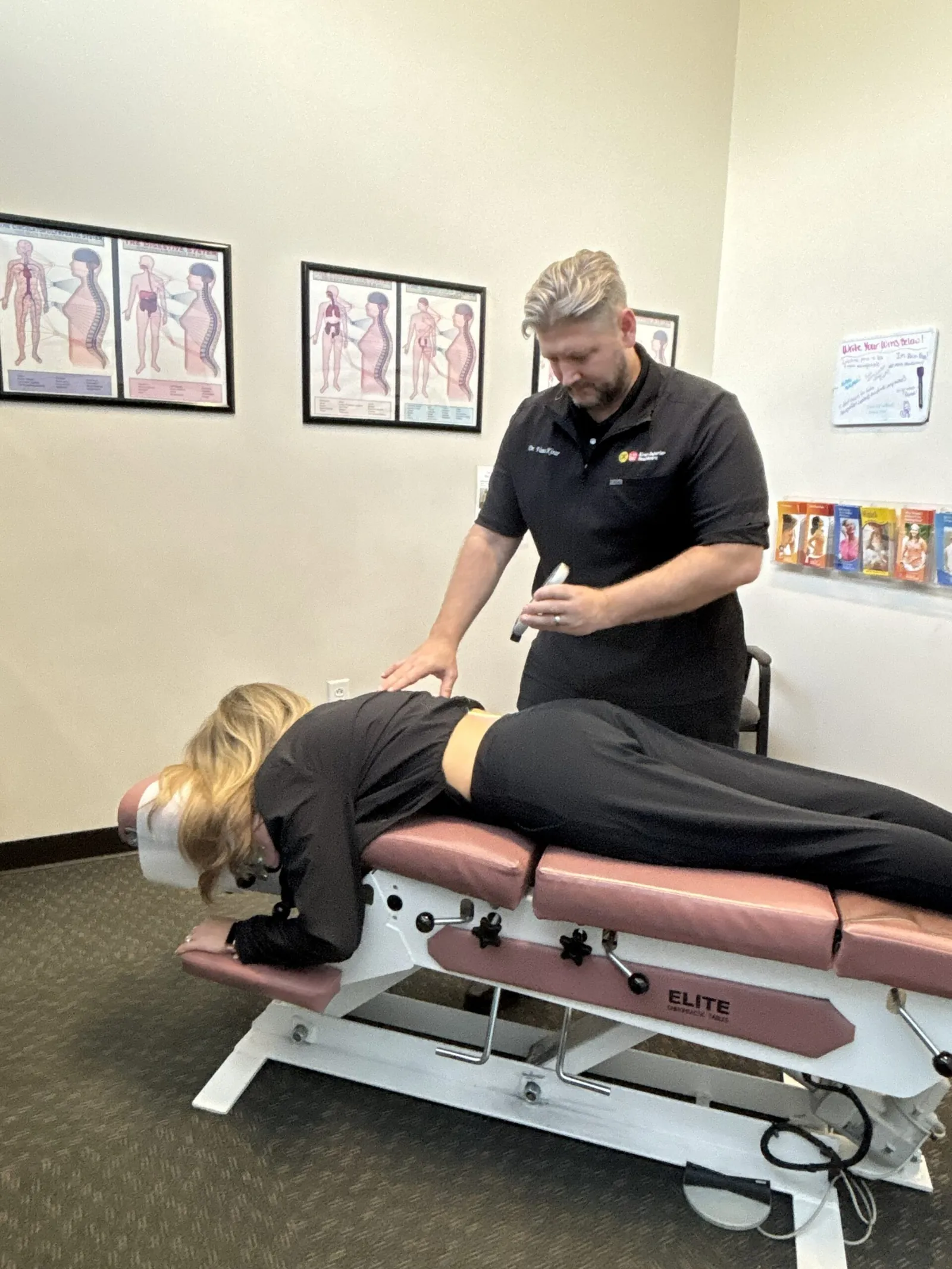
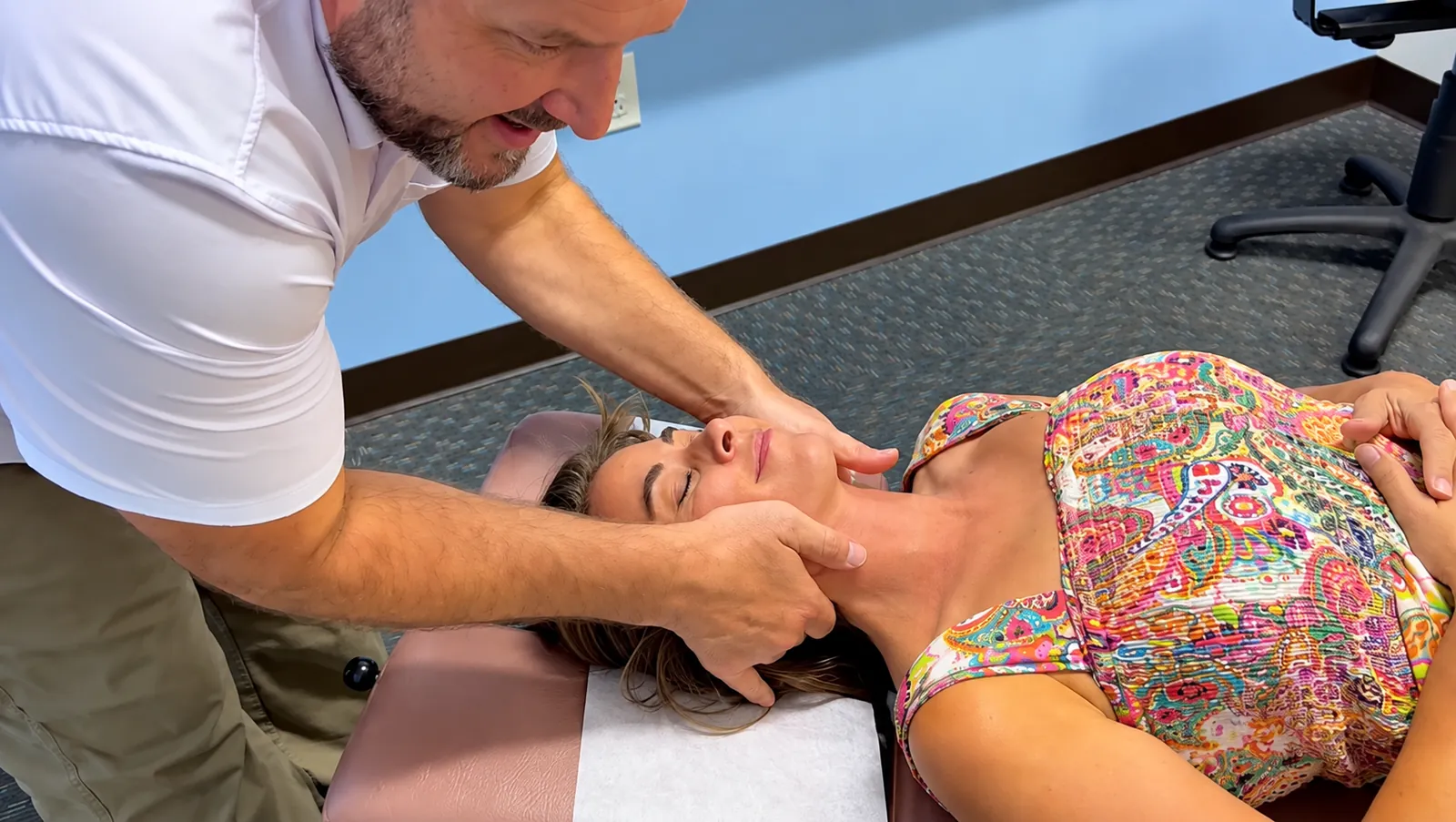
Chiropractic care is one of the most well-recognized non-invasive approaches to whiplash recovery. Rather than masking symptoms with medication, chiropractic focuses on identifying and correcting the underlying structural problems that are driving your pain. At Kirar Superior Healthcare in Goose Creek, Dr. Vance Kirar and the rest of the care team approach whiplash injuries with a comprehensive, individualized plan — because no two accidents and no two spines are exactly alike.
Care typically begins with a detailed consultation and examination. We will take X-rays on the first visit if needed, giving our team a clear view of the cervical and lumbar spine so that adjustments can be targeted, precise, and safe. From there, a care plan is developed based on your specific findings — not a one-size-fits-all protocol.
Spinal adjustments help restore proper alignment to the vertebrae that may have shifted during the impact. This reduces irritation to the surrounding nerves, decreases inflammation in the joints and soft tissues, and helps restore normal range of motion. Over the course of care, patients typically notice improvements in their neck pain, a reduction in headache frequency, and less stiffness and discomfort in the lower back.
It’s also worth mentioning that chiropractic care for whiplash isn’t just about getting you out of pain. The 100 Year Lifestyle approach that guides care at Kirar Superior Healthcare encourages patients to see recovery as a starting point — an opportunity to understand your spine better, strengthen the habits that protect it, and build a foundation of health that supports you for decades to come. Healing from whiplash well is a chance to come out stronger than you were before the accident.
Practical Steps You Can Take at Home
While chiropractic care provides the professional, hands-on component of recovery, there are supportive habits you can practice at home that will aid in the healing process. These aren’t complicated — they’re simple adjustments to your daily routine that make a real difference.
In the early days following a whiplash injury, be mindful of your posture. Slouching or craning your neck forward (common when staring at a phone or computer) puts additional strain on an already stressed cervical spine. Try to keep your head balanced directly over your shoulders rather than pushing it forward. When you sleep, use a supportive pillow that keeps your neck in a neutral position — neither too high nor too flat.
Gentle movement is generally better than complete rest for whiplash recovery, but let pain be your guide. Avoid forcing your neck into positions that cause sharp or intense pain. As inflammation decreases and your care plan progresses, your chiropractor at Kirar Superior Healthcare will guide you on when and how to begin more active movement and stretching. Staying well-hydrated is also important, as the intervertebral discs depend on good hydration to maintain their cushioning properties.
Finally, avoid returning to high-impact physical activity or heavy lifting until you’ve been cleared to do so. Jumping back too quickly can re-aggravate the injured soft tissues and extend your recovery timeline unnecessarily.
When to See a Chiropractor for Whiplash
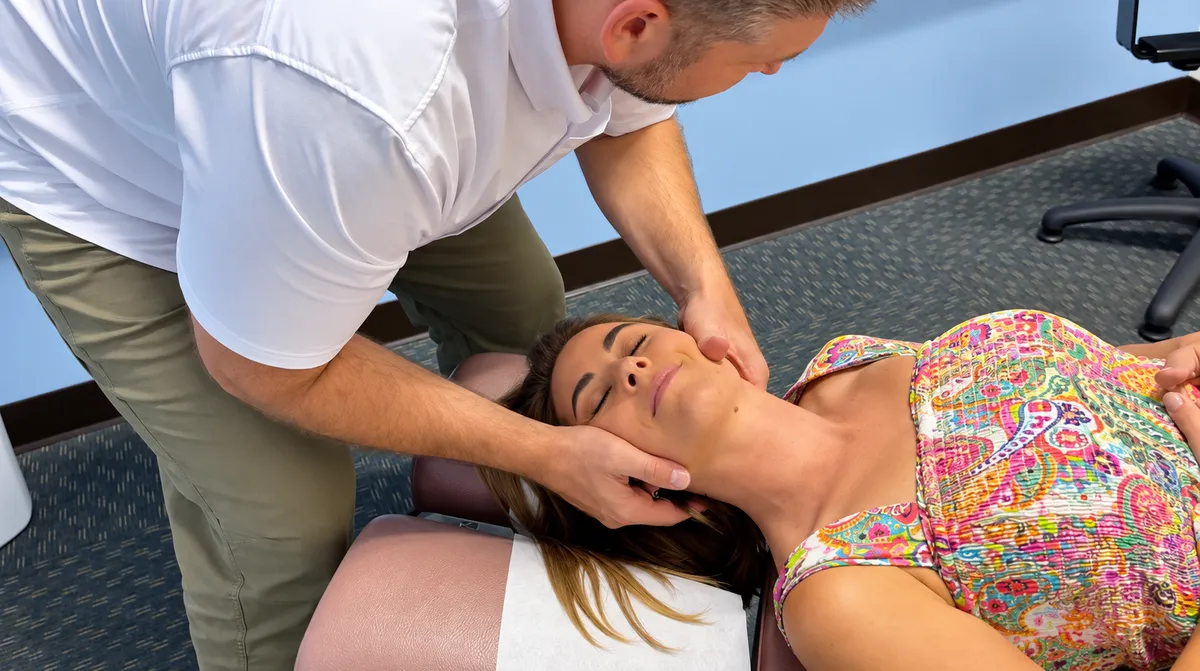
If you’ve been in any kind of vehicle accident — even one that seemed minor — it’s wise to be evaluated by a chiropractor as soon as possible. You don’t have to wait for severe pain to develop. In fact, seeking care early, before scar tissue has a chance to form and before compensation patterns set in, is one of the best things you can do for your recovery.
Some specific signs that you should not delay seeking care include: persistent or worsening neck stiffness or pain, headaches that started after the accident, lower back pain or hip pain following the collision, pain or tingling that radiates into the arms or legs, and difficulty turning your head normally. These are all signals that the spine and nervous system need professional attention.
There are also red flags that may indicate a need for immediate medical care rather than chiropractic. These include severe neurological symptoms such as loss of coordination or bladder/bowel control, significant numbness or weakness in the arms or legs, severe or sudden headache with confusion, or any loss of consciousness during or after the accident. If any of these apply, seek emergency medical evaluation right away. Our team at Kirar Superior Healthcare is always happy to refer appropriately and coordinate care with other providers when necessary.
Symptom |
Possible Cause |
Chiropractic Focus Area |
|---|---|---|
|
Neck stiffness and limited range of motion |
Cervical muscle strain and vertebral misalignment |
Cervical spinal adjustments, soft tissue therapy |
|
Headaches starting at the base of the skull |
Cervicogenic pressure from upper cervical misalignment |
Upper cervical adjustments |
|
Lower back pain and stiffness after collision |
Lumbar compression, muscle spasm, possible disc irritation |
Lumbar spinal adjustments, posture correction |
|
Shoulder or arm pain |
Nerve irritation from cervical spine |
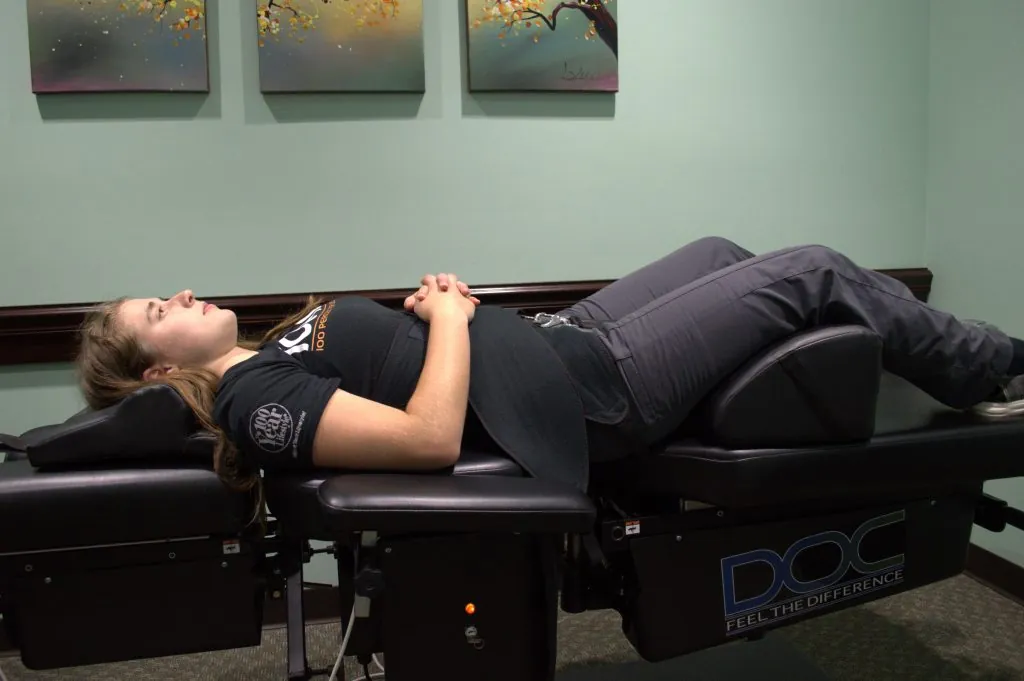
Cervical decompression, nerve mobilization |
|
Fatigue and difficulty concentrating |
Nervous system stress, disrupted sleep from pain |
Full spinal evaluation, lifestyle support |
Myths vs. Facts About Whiplash
Myth: If the accident was minor, whiplash isn’t a real injury.
Fact: The severity of vehicle damage does not reliably predict the severity of soft tissue injury. Low-speed impacts can still cause significant cervical strain, particularly when the occupant is unaware the collision is coming. Many patients at Kirar Superior Healthcare in Goose Creek experience significant symptoms after accidents that appeared to cause little to no vehicle damage.
Myth: Whiplash only affects the neck.
Fact: As discussed throughout this article, whiplash commonly affects the entire spine, including the mid-back and lower back. Headaches, shoulder pain, and arm symptoms are also frequently reported. A full spinal assessment is essential for understanding the true scope of the injury.
Myth: You should wait and see if the pain goes away on its own.
Fact: While mild muscle soreness sometimes resolves on its own, structural misalignments in the spine do not self-correct. Waiting can allow scar tissue to form and compensation patterns to develop, which can turn an acute injury into a chronic condition. Early evaluation and care generally leads to better outcomes.
Myth: Chiropractic care is dangerous for whiplash injuries.
Fact: When performed by a licensed chiropractor who has thoroughly evaluated the patient — including X-rays where indicated — chiropractic adjustments are considered a safe, evidence-supported approach to whiplash recovery by major healthcare and research organizations. The team at Kirar Superior Healthcare takes a careful, thorough approach before any hands-on care begins.
Myth: Once the pain is gone, you’re fully healed.
Fact: Pain relief is an important milestone, but it doesn’t always mean the underlying structural issues have been fully corrected. The 100 Year Lifestyle philosophy encourages patients to continue care until the spine is actually functioning optimally — not just until symptoms subside. This distinction matters greatly for long-term outcomes.
Final Thoughts
Whiplash is a real injury that deserves real attention. Whether your primary complaint is neck pain, persistent headaches, lower back stiffness, or all three, the root cause may trace directly back to that collision you experienced — even if it happened weeks ago. The good news is that chiropractic care offers a gentle, non-invasive, drug-free path toward genuine recovery.
Here in Goose Creek, SC, the team at Kirar Superior Healthcare is committed to helping patients not just recover from injury, but come through it with a clearer understanding of their spinal health and a stronger foundation for the future. Dr. Vance Kirar and the care team approach every whiplash patient as an individual — with their own history, their own spine, and their own goals. That philosophy aligns directly with the 100 Year Lifestyle: the idea that your health decisions today shape the life you’re able to live tomorrow, next year, and fifty years from now.
If you’ve been in an accident and you’re experiencing any of the symptoms discussed here, don’t wait. Your spine is worth taking care of — and so is the life that depends on it.
Frequently Asked Questions
How soon after a car accident should I see a chiropractor for whiplash?
Ideally, you should be evaluated within the first few days after an accident, even if your symptoms seem mild. Early intervention helps prevent scar tissue formation and gives your chiropractor a clearer picture of the acute injury. At Kirar Superior Healthcare in Goose Creek, we welcome patients who have just been in accidents and want to be assessed promptly.
Will you take X-rays at my first chiropractic visit for whiplash?
Yes — we will take X-rays on the first visit if needed. X-rays allow our team to see the alignment of your cervical and lumbar spine clearly, which is essential for developing a safe and effective care plan after a whiplash injury.
Can whiplash really cause lower back pain?
Absolutely. During a collision, the force affects the entire spine — not just the neck. The lumbar spine can be compressed, muscles throughout the back can go into spasm, and pre-existing conditions in the lower back can be aggravated. A full spinal evaluation is the best way to assess whether lower back involvement is present.
How long does it take to recover from whiplash with chiropractic care?
Recovery timelines vary depending on the severity of the injury, the patient’s overall health, and how quickly care was initiated. Mild whiplash may resolve in a matter of weeks, while more significant injuries can take several months of consistent care. Dr. Vance Kirar and the team at Kirar Superior Healthcare will give you a realistic sense of your specific timeline after your initial evaluation.
Is chiropractic care for whiplash covered by auto insurance?
Many auto insurance policies include personal injury protection (PIP) that covers chiropractic care following an accident. We recommend contacting your insurance provider directly to understand your specific coverage. Our team is happy to help you navigate this process.
What if my headaches started a week after the accident — is that still whiplash?
Yes, delayed symptom onset is very common with whiplash. Headaches, neck pain, and lower back stiffness can take 24 to 72 hours — or even longer — to become noticeable as inflammation sets in. If you’ve recently been in a collision, it’s worth being evaluated even if your symptoms developed after the fact.
TL;DR Summary
-
Whiplash affects more than just the neck — it can cause headaches, neck pain, and lower back pain that may not appear until days after the accident.
-
Chiropractic care offers a non-invasive, drug-free approach to whiplash recovery by addressing spinal misalignments and soft tissue injury at the source.
-
At Kirar Superior Healthcare in Goose Creek, SC, the team will take X-rays on the first visit if needed to ensure care is precise and appropriate for your injury.
-
Early evaluation and treatment leads to better outcomes — don’t wait for symptoms to become severe before seeking care.
-
The goal isn’t just short-term pain relief. Guided by the 100 Year Lifestyle philosophy, the care team at Kirar Superior Healthcare aims to help patients build lasting spinal health that serves them for life.

Dr. Vance Kirar knows that it isn’t easy navigating a healthcare challenge for yourself or a loved one. Many people find themselves in situations they aren’t prepared for, facing decisions without all the information they need. If there’s been a lifetime of bad habits based on bad information and bad care that has created more faith in drugs than the innate wisdom of the body to heal – then living and aging in today’s society can be difficult and frightening.